Water Damage Mitigation in Wilmington, NC
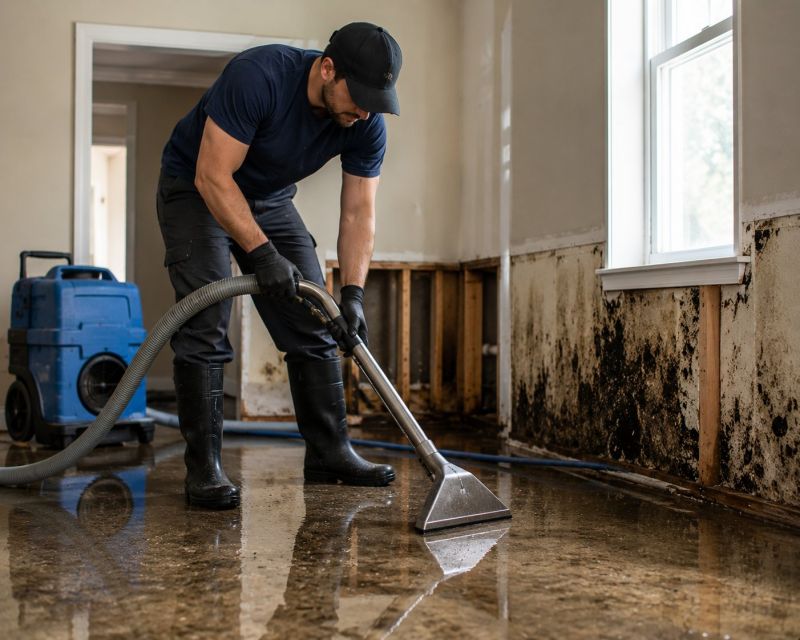
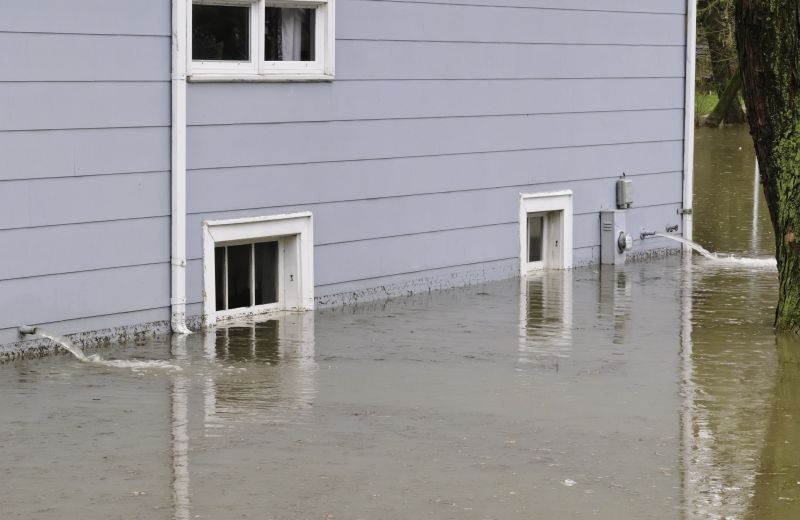
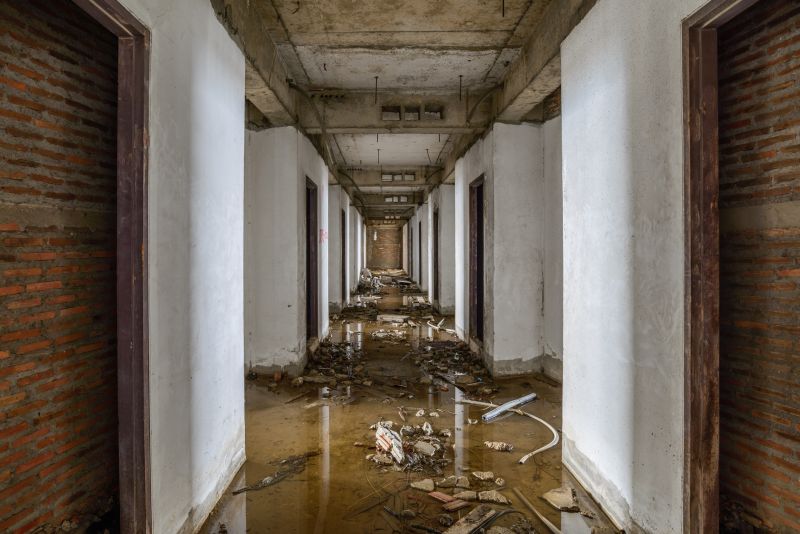
Water damage mitigation services are designed to address the effects of water intrusion in residential properties, helping to prevent further harm and restore the affected areas. These services typically cover situations such as burst pipes, roof leaks, flooding from storms, or plumbing failures. The process involves removing standing water, drying out affected structures, and preventing mold growth, ensuring the property is stabilized and protected from ongoing damage.
Homeowners considering water damage mitigation often want to understand what the process entails, including the scope of work involved and the types of damage that can be addressed. It’s important to assess the extent of water intrusion, identify any hidden issues behind walls or under flooring, and determine the necessary steps for thorough drying and cleanup. Clarifying these details can help property owners make informed decisions about restoring their homes after water-related incidents.
Many property owners in Wilmington, NC look into Water Damage Mitigation for repairs, replacements, upgrades, and appearance-related improvements.
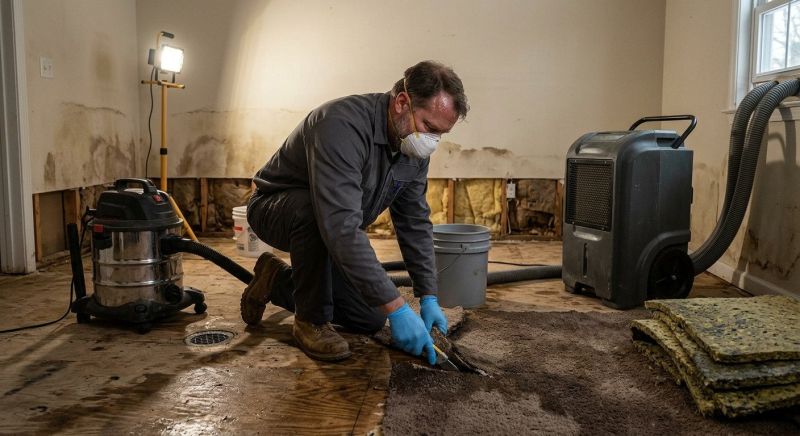
Water Damage Prevention
Proper mitigation helps protect your property from ongoing water intrusion and damage.
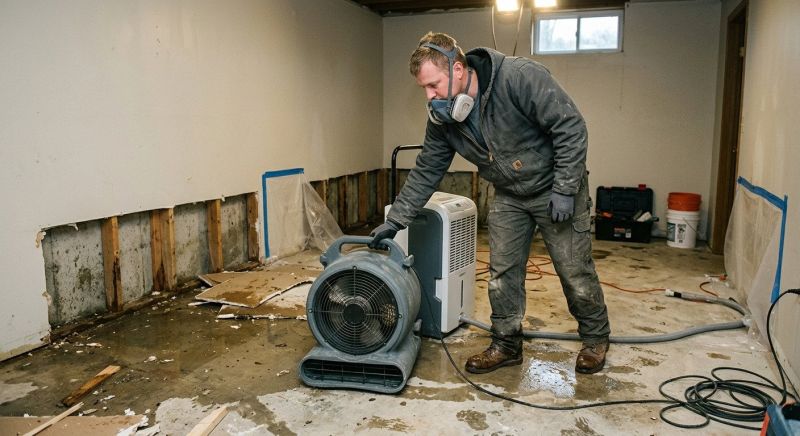
Structural Integrity Preservation
Mitigation services focus on reducing the risk of structural issues caused by water exposure.
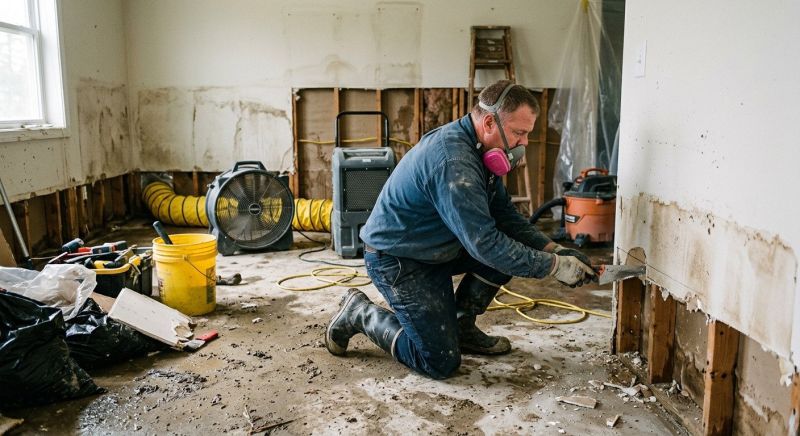
Mold And Mildew Control
Effective water damage mitigation minimizes the growth of mold and mildew in affected areas.
Water Damage Mitigation in Wilmington, NC
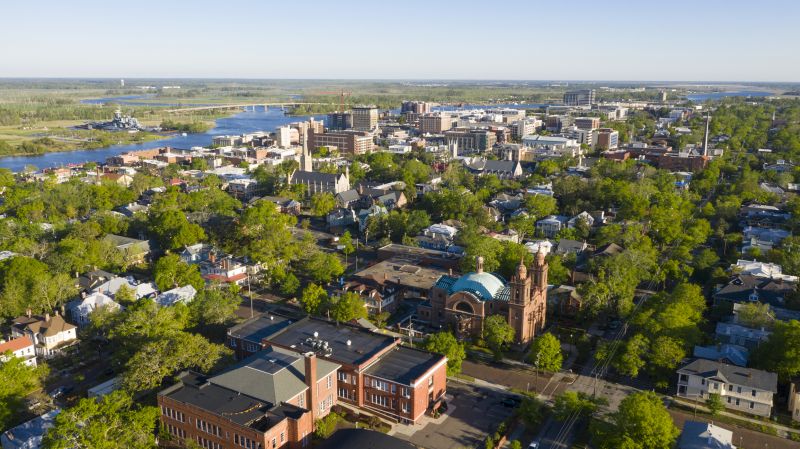
Water damage mitigation services are designed to address the effects of water intrusion in residential properties, helping to prevent further harm and restore the affected areas. These services typically cover situations such as burst pipes, roof leaks, flooding from storms, or plumbing failures. The process involves removing standing water, drying out affected structures, and preventing mold growth, ensuring the property is stabilized and protected from ongoing damage.
Homeowners considering water damage mitigation often want to understand what the process entails, including the scope of work involved and the types of damage that can be addressed. It’s important to assess the extent of water intrusion, identify any hidden issues behind walls or under flooring, and determine the necessary steps for thorough drying and cleanup. Clarifying these details can help property owners make informed decisions about restoring their homes after water-related incidents.
Many property owners in Wilmington, NC look into Water Damage Mitigation for repairs, replacements, upgrades, and appearance-related improvements.
Common Water Damage Mitigation Jobs
Water extraction services - removing standing water to prevent further damage and mold growth.
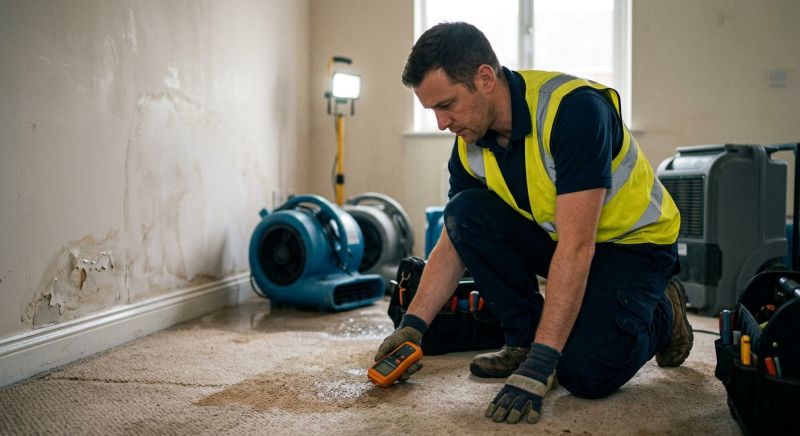
Structural drying solutions - drying affected areas to restore the integrity of walls, floors, and ceilings.
Mold prevention and remediation - addressing moisture issues to inhibit mold growth and protect indoor air quality.
Contents drying and salvage - restoring personal belongings and valuables damaged by water intrusion.
Leak detection and repair - locating and fixing sources of water intrusion to prevent future damage.
Water damage assessment - evaluating the extent of damage to develop an effective mitigation plan.
Water Damage Mitigation Questions
What is water damage mitigation? It involves removing excess water, drying affected areas, and preventing further damage to property after a water intrusion.
When should water damage mitigation be performed? It should be done promptly after water intrusion to minimize structural damage and mold growth.
What types of water damage require mitigation? Damage caused by leaks, flooding, burst pipes, or plumbing failures typically require mitigation services.
How can property owners prepare for mitigation services? Clearing the area of valuables and ensuring safe access can help facilitate the mitigation process.
Request Water Damage Mitigation in Wilmington, NC
Use the quote form on this page to share the basics of your project and request more information for the type of work you need.